
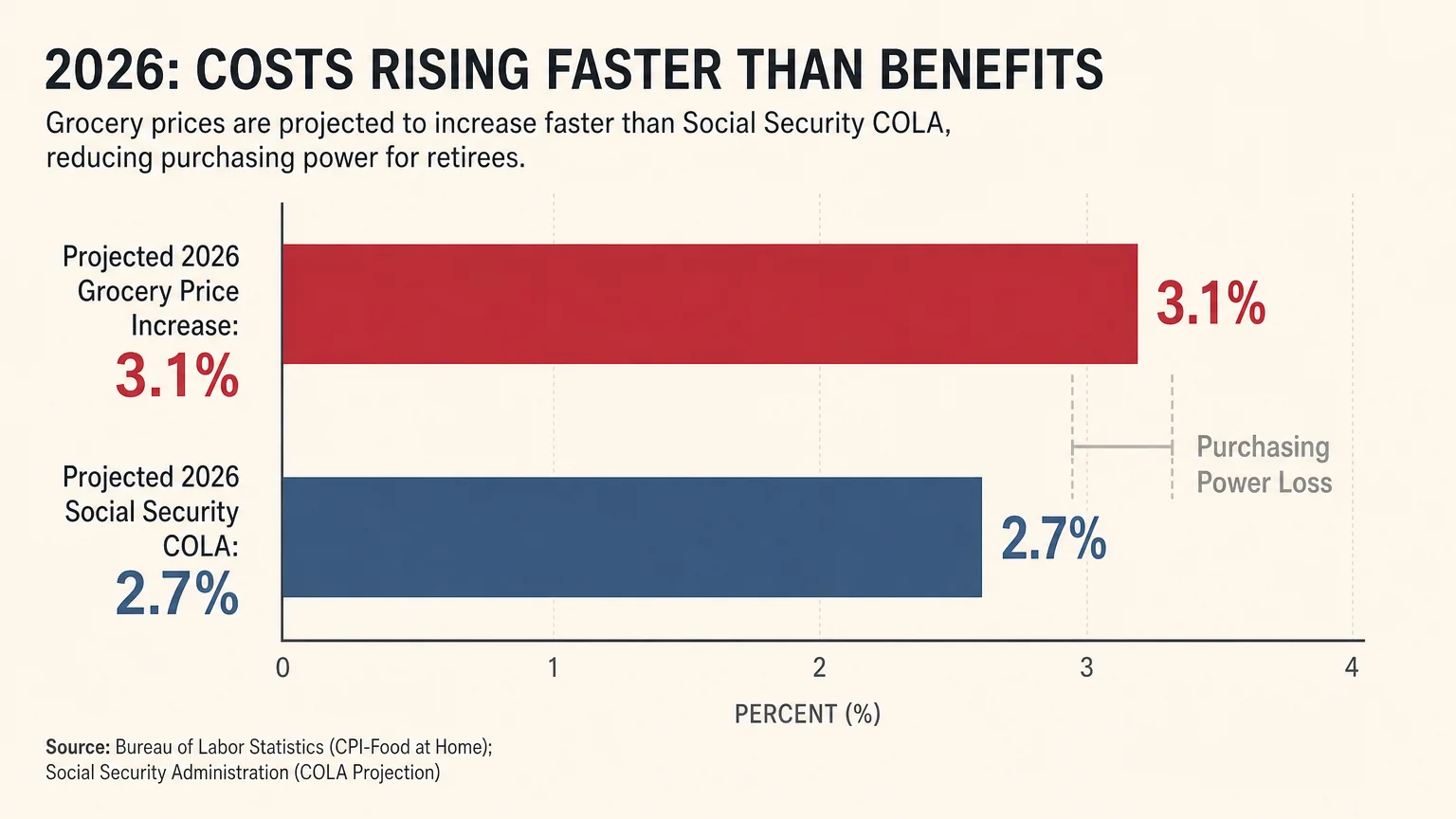
Rising grocery prices are squeezing fixed incomes, but a strategic trip to Aldi can protect your budget while stocking your kitchen for summer. With the USDA projecting food costs to rise another 3.1% in 2026 and the expected Social Security cost-of-living adjustment hovering around 2.7%, adjusting your shopping habits is a practical necessity. You do not have to sacrifice quality or seasonal favorites to keep your spending in check. Aldi’s seasonal rotation offers high-quality summer essentials—from grilling proteins to quick deli salads—at prices that respect your wallet. By focusing on these specific seasonal finds, you can comfortably host summer cookouts, pack easy picnic lunches, and enjoy the warmer months without draining your retirement savings.
The Impact of 2026 Food Prices on Your Retirement Budget
Food costs continue to put a strain on household finances, especially for seniors relying on fixed incomes. The U.S. Department of Agriculture estimates that grocery prices will increase by 3.1% in 2026. At the same time, the projected Social Security cost-of-living adjustment (COLA) for 2026 is sitting near 2.7%. When your primary income source fails to outpace the cost of essential goods, you inevitably lose purchasing power.
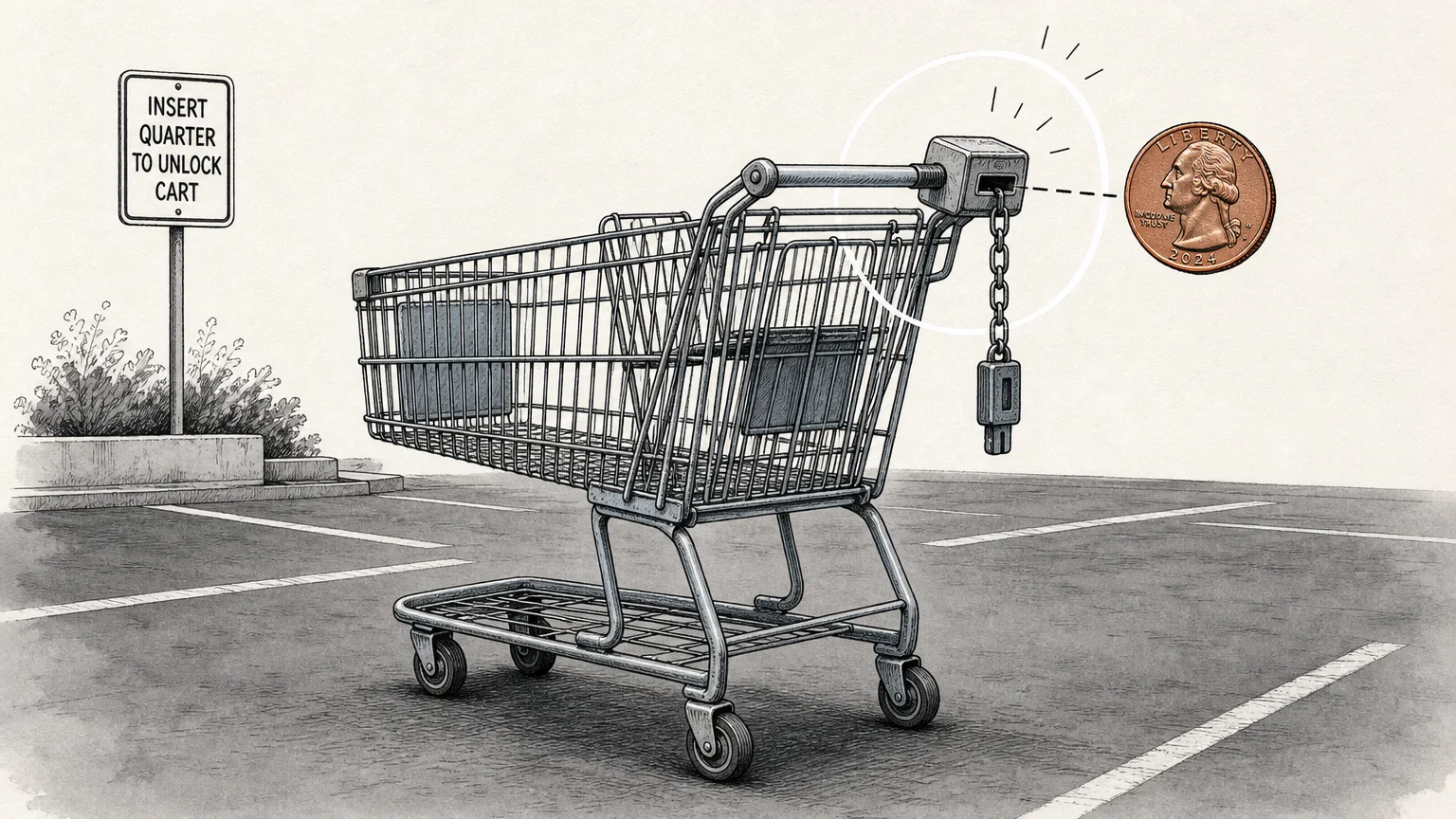
This dynamic forces many retirees to rethink their supermarket habits. Shopping at discount grocers like Aldi is no longer just a frugal choice; it is a vital defensive strategy against inflation. Aldi keeps prices low through a streamlined business model—requiring customers to bring their own bags, charging a refundable quarter for carts to reduce staffing needs, and predominantly stocking private-label goods. For retirees, adopting these small inconveniences translates directly into retained cash flow.
“Price is what you pay. Value is what you get.” — Warren Buffett, Investor and CEO of Berkshire Hathaway
1. Park Street Deli Pasta Salad Kits
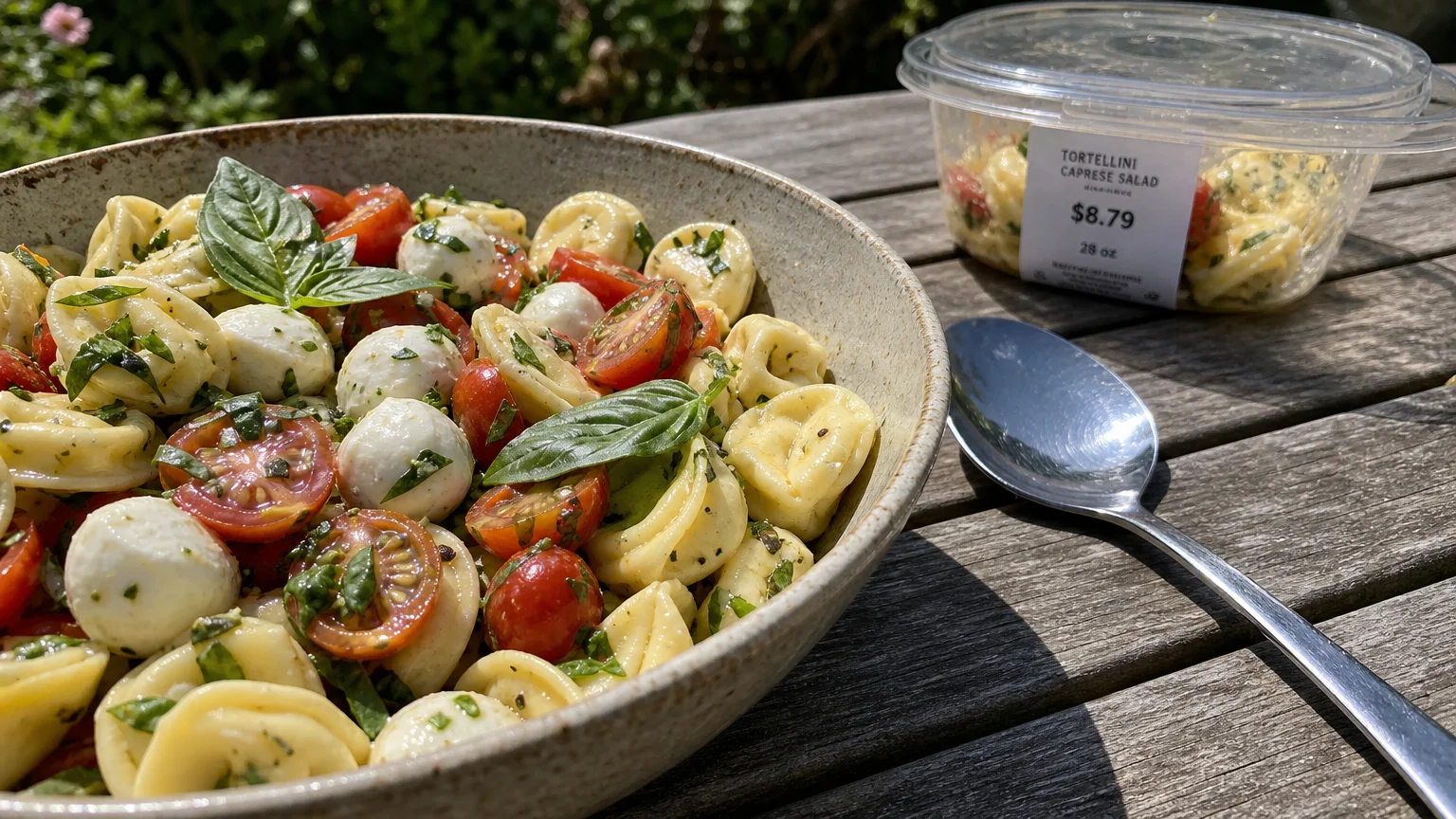
Summer days call for easy lunches and simple picnic foods. However, assembling a gourmet pasta salad from scratch requires buying multiple ingredients and boiling water in a hot kitchen. Aldi solves this problem efficiently with its Park Street Deli Pasta Kits.
These kits feature premium ingredients like aged cheese tortellini, fresh mozzarella pearls, and a bright Mediterranean-style dressing. A standard 28-ounce package costs approximately $8.79 and provides enough food to feed several people. For empty nesters, one container easily serves as a side dish for multiple meals throughout the week. Buying this pre-made kit saves you from purchasing individual bottles of dressing, specialty cheeses, and pasta that might otherwise sit half-used in your pantry.

2. Sweet Chili Lime Chicken Skewers
Grilling is a hallmark of summer, but preparing meats requires marinades, chopping, and extensive cleanup. If you suffer from arthritis or simply want to minimize kitchen labor, Aldi’s pre-marinated Sweet Chili Lime Chicken Skewers offer a brilliant solution.
Each package contains nearly a pound and a half of seasoned chicken breast, priced at an affordable $8.79. The meat comes already portioned on individual skewers. This design is highly practical for retirees who cook for one or two people; you can pull exactly the number of skewers you need for a single meal and refrigerate or freeze the rest. Maintaining adequate protein intake is crucial for muscle health as you age, and having convenient, ready-to-grill options makes it easier to hit your nutritional goals.
3. Frozen Wild-Caught Coho Salmon
Healthcare professionals routinely recommend incorporating more Omega-3 fatty acids into your diet to support heart and brain health. Fresh seafood at traditional supermarkets is notoriously expensive, often making it prohibitive for budget-conscious seniors. Aldi bridges this gap with its frozen seafood selection.
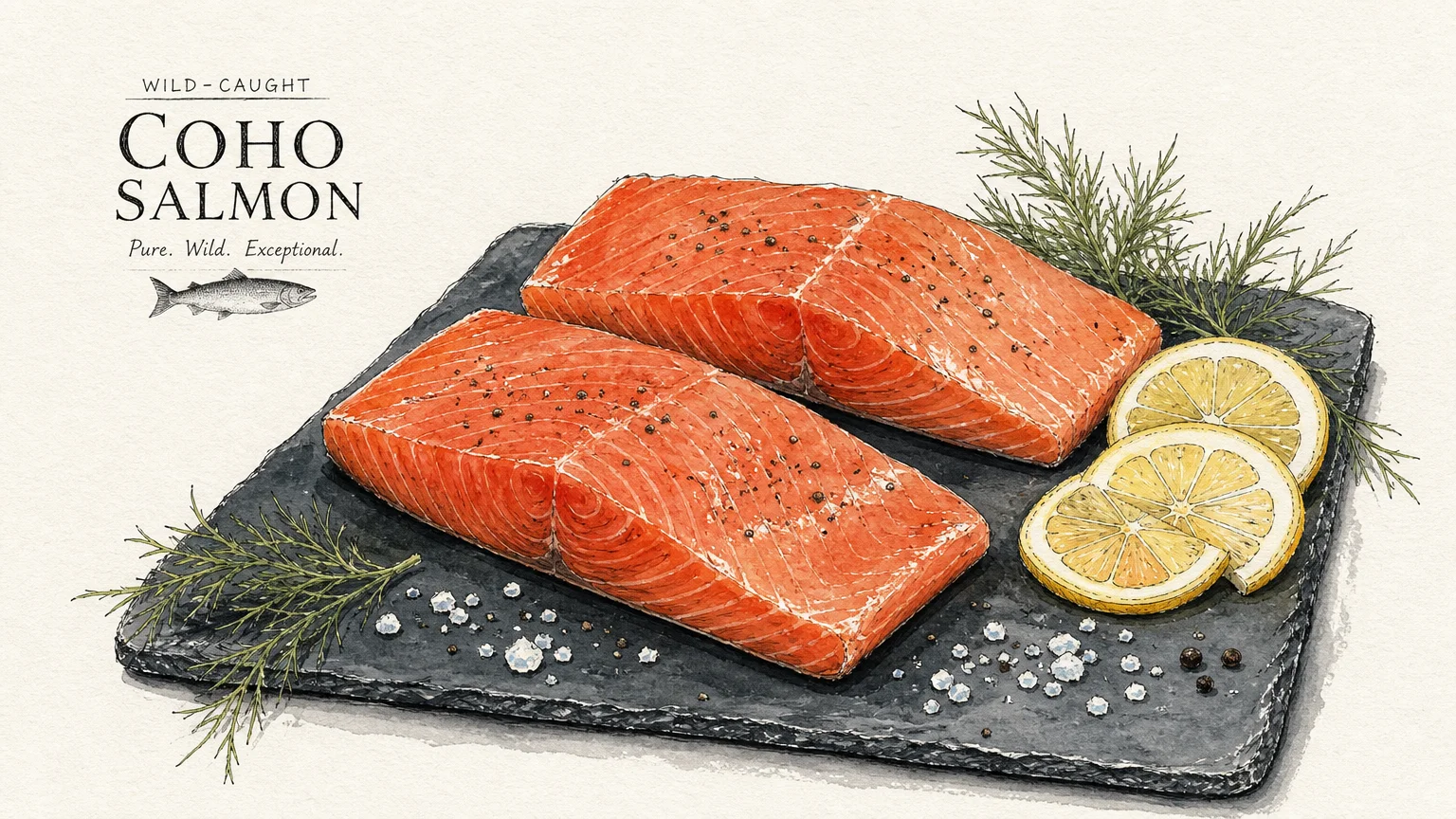
Aldi typically stocks frozen, wild-caught Coho Salmon for around $12.99 per pound. Because the fish is frozen shortly after being caught, it retains its nutritional value and fresh flavor. More importantly, buying frozen seafood eliminates the pressure to cook the fish immediately. You can thaw individual fillets as needed, which drastically reduces the risk of expensive food waste.

4. Park Street Deli Bacon Ranch Chicken Salad
When the summer heat peaks, turning on the oven is the last thing you want to do. Aldi’s refrigerated deli section is famous for its rotating selection of seasonal, ready-to-eat salads. The Park Street Deli Bacon Ranch Chicken Salad is a standout summer item that offers robust flavor without the premium deli counter markup.
You can serve this chicken salad on a bed of fresh greens, scoop it onto whole-grain crackers, or use it to build a quick sandwich. Relying on pre-made protein salads reduces your reliance on expensive takeout and helps you avoid relying on heavily processed freezer meals when you lack the energy to cook from scratch.

5. Zarita Margarita Pouches and Seasonal Beverages
Enjoying a cold, refreshing drink on the patio is one of the simple joys of retirement. However, buying premium cocktail mixers or pre-made alcoholic beverages from specialty liquor stores quickly drains discretionary funds. Aldi’s Zarita Margarita Cocktail Pouches provide a budget-friendly alternative for summer entertaining.
These pouches are incredibly convenient—you simply chill or freeze them and pour. They offer the exact same convenience as name-brand frozen beverage pouches but at a fraction of the cost. If you prefer non-alcoholic options, Aldi also rotates seasonal lemonades, sparkling waters, and fruit punches into its aisles during the summer months, allowing you to stock your fridge for visiting grandchildren without overspending.

6. Summer-Ready Fresh Produce Bargains
Aldi’s produce section has improved dramatically in recent years, making it a reliable destination for fresh summer staples. During the warmer months, you will find excellent deals on seasonal favorites like watermelon, berries, corn on the cob, and peaches.
Because Aldi operates with a smaller physical footprint than massive superstores, its inventory turns over quickly, ensuring produce remains fresh. If you love making summer fruit salads or grilling fresh vegetables, buying your produce at Aldi rather than a conventional supermarket can shave 20% to 30% off that specific portion of your grocery bill.

7. Seasonal Aisle Finds (Sunscreen and Patio Gear)
Aldi’s middle aisle—affectionately known by shoppers as the “Aisle of Shame”—features a constantly rotating selection of non-grocery items. During the summer, this aisle becomes a goldmine for seasonal necessities.
Before you pay full price at a pharmacy or big-box store, check Aldi for SPF 50 sunscreen, aloe vera gel, gardening gloves, citronella candles, and small patio decor. These items are typically sourced directly from manufacturers and priced aggressively. Stocking up on your summer skincare and outdoor essentials while you buy your groceries saves you an extra trip and keeps your household budget intact.
Cookout Cost Comparison: Traditional Supermarket vs. Aldi
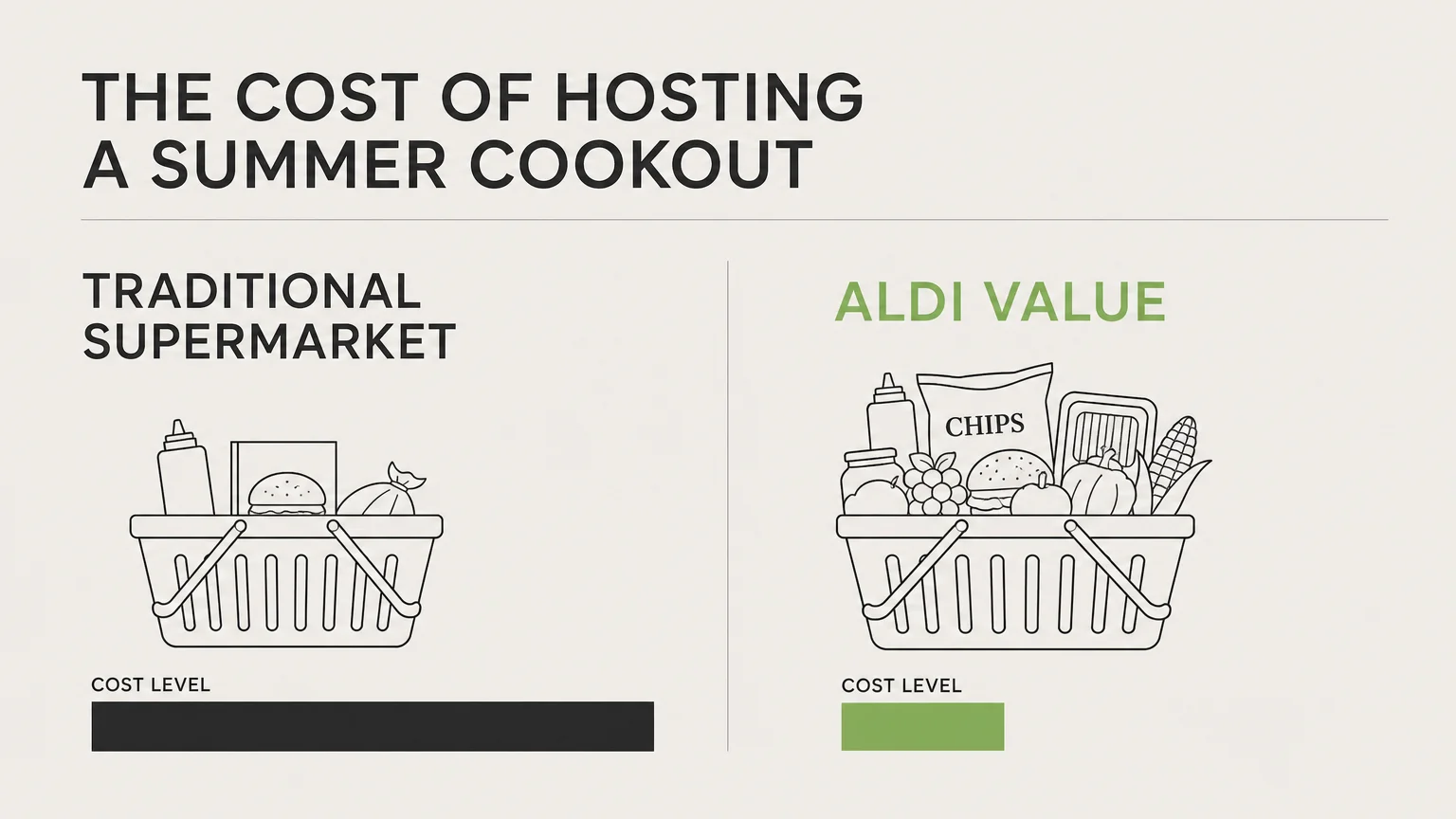
To illustrate how utilizing Aldi impacts your bottom line, consider the cost of hosting a simple summer cookout for your family. Prices fluctuate by region, but this table demonstrates the typical savings you can expect when choosing private-label discount options over traditional supermarket brands.
| Summer Cookout Item | Traditional Supermarket (Estimated) | Aldi Equivalent (Estimated) |
|---|---|---|
| Pre-Marinated Chicken Skewers (1.5 lbs) | $13.50 | $8.79 |
| Gourmet Pasta Salad (28 oz) | $12.00 | $8.79 |
| Fresh Watermelon (Whole) | $7.00 | $4.50 |
| Frozen Beverage Pouch | $18.00 | $13.99 |
| Estimated Total | $50.50 | $36.07 |
Pitfalls to Watch For
While Aldi is a powerful tool for budget management, unfamiliar shoppers can easily make mistakes that negate their savings. Watch out for these common missteps:
- Ignoring Unit Prices: Even at a discount grocer, larger packages are not always the better deal. Always check the unit price (the cost per ounce or pound) printed on the shelf tag to ensure you are getting the true best value.
- Buying Perishables in Unmanageable Bulk: Aldi frequently sells produce in pre-packaged bags rather than loose. If you live alone, buying a three-pound bag of onions or a large clamshell of spinach might lead to food waste. Only buy what you can consume or freeze before it spoils.
- Falling for the Middle Aisle Impulse Buys: The seasonal aisle is fun, but it is engineered to encourage impulse spending. If you go in for chicken and pasta salad and walk out with a $40 inflatable pool float you did not plan for, you have broken your budget. Stick to your list.
- Forgetting the “Twice as Nice” Guarantee: If you buy an Aldi exclusive food item and are not satisfied with the quality, do not throw it away and accept the loss. Aldi’s return policy replaces the product and refunds your money if you bring back the packaging and your receipt.
Strategies to Stretch Your Grocery Budget Further
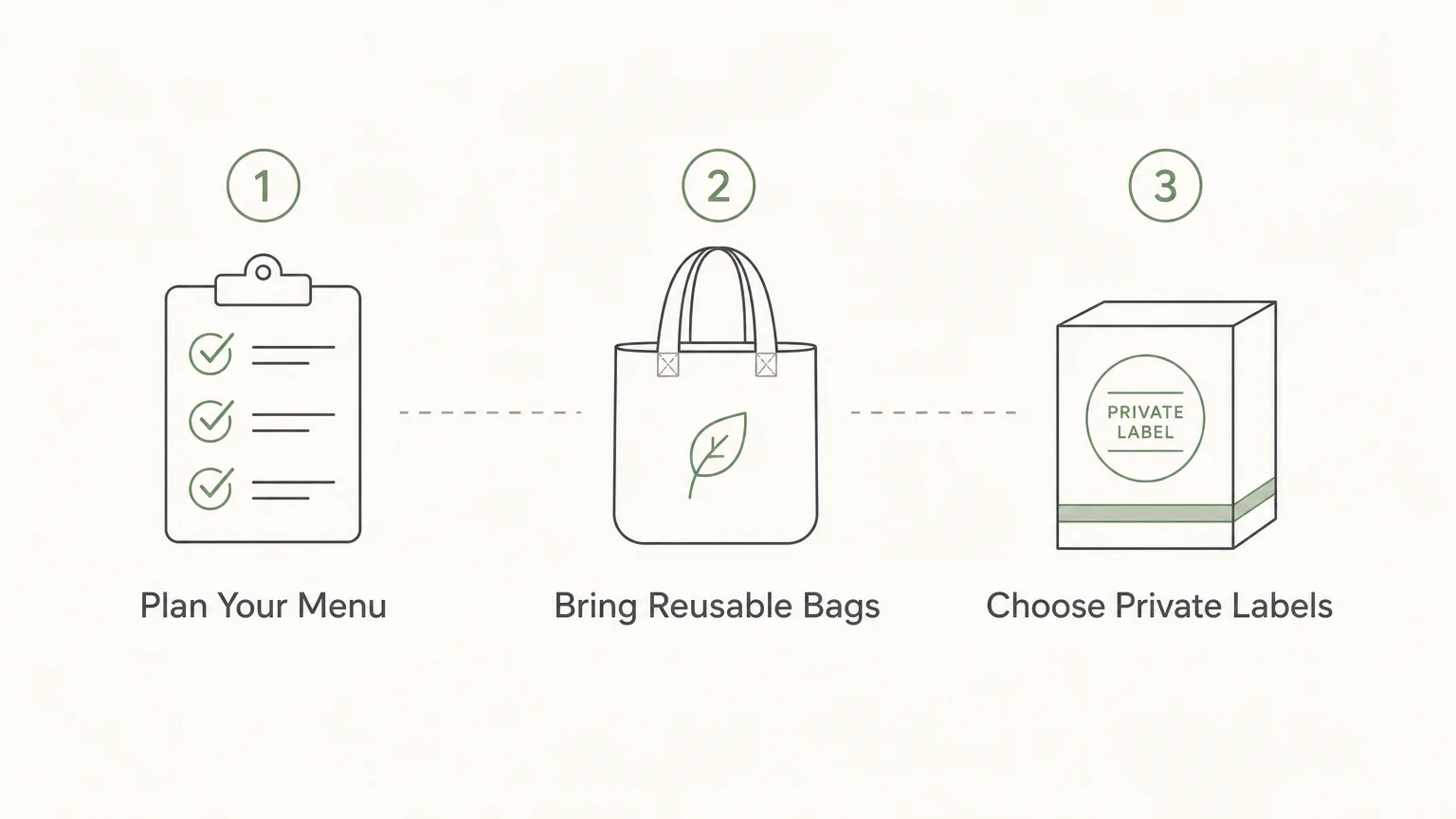
Managing a fixed income requires deliberate planning. Financial journalist Jean Chatzky advocates for an “anchor store plus fill-in” strategy. Under this model, you make Aldi your primary anchor store, purchasing 80% to 90% of your staple goods, proteins, and pantry items there. You only visit a secondary, traditional supermarket to pick up specific name-brand items or specialty goods that Aldi does not carry. This prevents you from doing your entire weekly shop at a higher-priced retailer out of sheer convenience.
“Foregoing unnecessary luxuries to make sure that one has sufficient funds for necessities is the start of proper money management.” — Suze Orman, Personal Finance Expert
Take Suze Orman’s advice to heart by strictly separating your needs from your wants before you step foot in the store. Build your grocery list around nutrient-dense necessities first. Once your basic dietary needs are secured, you can allocate your remaining weekly budget toward summer treats and convenience items.

Getting Expert Help
Even with careful shopping, navigating a fixed income amid inflation is deeply challenging. If you find yourself struggling to afford basic necessities, do not hesitate to seek professional or government assistance. Consider these specific scenarios:
- You struggle to afford basic groceries: Millions of older adults are eligible for food assistance but never apply. The National Council on Aging (NCOA) reports that millions of eligible seniors miss out on the Supplemental Nutrition Assistance Program (SNAP). If you are 60 or older, special rules apply—you only have to pass a net-income test, and you can deduct monthly medical expenses over $35 from your income to boost your benefit amount. Visit NCOA.org or Benefits.gov to verify your eligibility.
- You need help structuring your retirement budget: If rising Medicare premiums and inflation are overwhelming your Social Security checks, consult a fiduciary financial advisor. They can help you optimize your withdrawals, manage your tax burden, and build a sustainable cash flow plan.
- You face mobility issues that prevent grocery shopping: If getting to Aldi is physically difficult, leverage local community resources. Use the Eldercare Locator provided by the Administration for Community Living to find home-delivered meal services like Meals on Wheels in your specific zip code.
Enjoying the summer months should not require you to compromise your financial security. By taking advantage of seasonal deals at discount grocers, avoiding impulse purchases, and utilizing available community resources, you can maintain a vibrant, healthy lifestyle on your terms. Start by incorporating a few of these seasonal finds into your next shopping trip and watch your weekly grocery expenses shrink.
The information in this guide is meant for educational purposes. Your specific circumstances—including income, benefits, tax situation, and health needs—may require different approaches. When in doubt, consult a licensed financial advisor or tax professional.
Last updated: June 2026. Benefit amounts, tax rules, and program details change annually—verify current figures with official government sources like the Social Security Administration (SSA) and Medicare.gov.