
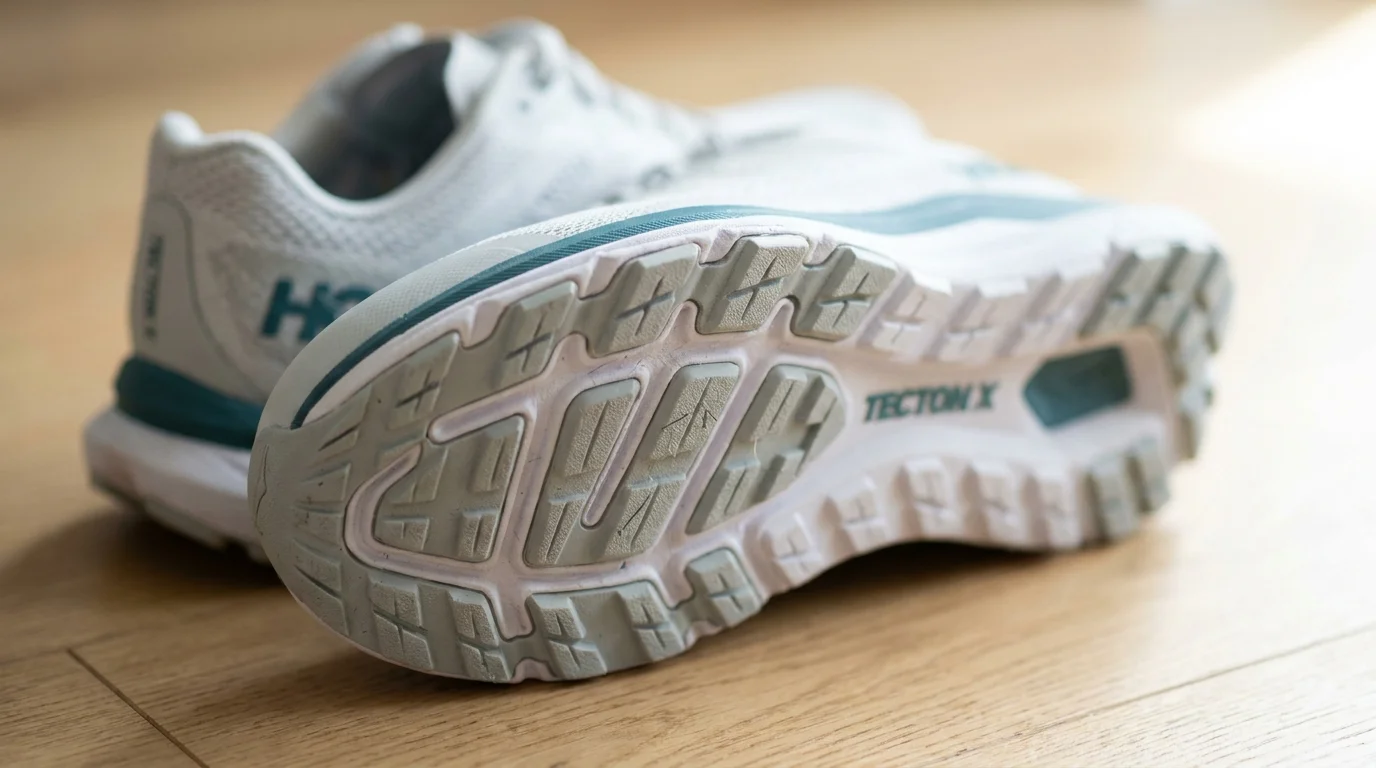
Habit 3: Invest in High-Quality Footwear (and Replace It Often)
Walking in worn-out shoes is one of the fastest ways to develop plantar fasciitis, shin splints, and knee pain. The EVA foam used in the midsoles of most athletic shoes degrades over time, losing its shock-absorbing capabilities. Even if the outer rubber tread looks completely fine, the structural integrity of the shoe may be compromised.
As a general rule, replace your walking shoes every 300 to 500 miles. If you walk two miles a day, five days a week, you will need a new pair every six to eight months. To keep track, use a permanent marker to write the purchase date on the inside tongue of the shoe.
When shopping for walking footwear, visit a specialty running or walking store where a professional can analyze your gait. You may discover you overpronate (your feet roll inward) or supinate (your feet roll outward), requiring specific arch support. Because our feet naturally widen and flatten as we age, do not assume you wear the same size you wore a decade ago.










3 Responses
I enjoyed the article, it is very helpful. I have been walking for a while and I do have more confidence in my balance and stamina.
I have been walking for a while, and I do feel a difference in my balance and stamina.
Using walking sticks could add upper body exercise.