
Costly Errors to Sidestep
Transitioning toward natural pain management offers tremendous health benefits, but simple mistakes can reduce your results or create unnecessary complications. Avoid these four common errors to safeguard your joint function and financial resources:
1. Overlooking Supplement-Medication Interactions
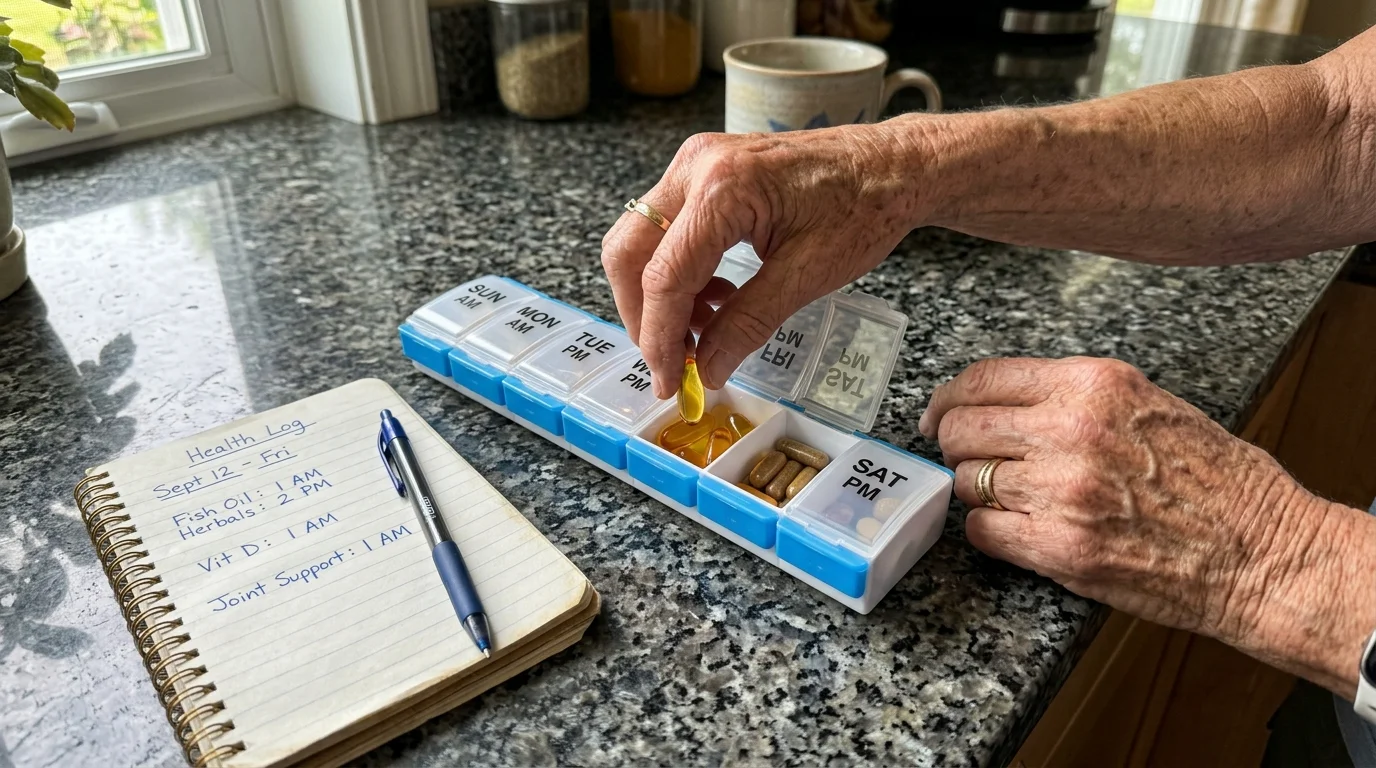
Natural botanical supplements possess genuine biological activity. Combining high-dose curcumin or omega-3 fatty acids with prescription blood thinners—such as Warfarin, Eliquis, or Plavix—can increase your bleeding risk. Always share a complete list of your dietary supplements with your primary care physician or local pharmacist before adjusting your routine.
2. Purchasing Low-Quality or Unstandardized Formulas
Buying cheap, unstandardized ground turmeric powder or low-grade fish oil saves a few dollars upfront but fails to deliver meaningful pain relief. Always verify that botanical products feature standardized extract percentages on their labels, and look for independent third-party certification seals from USP, NSF, or ConsumerLab to ensure product purity and potency.
3. Expecting Instant Overnight Results and Stopping Too Early
Pharmaceutical painkillers work by temporarily masking neural signals within an hour, but natural compounds function by gradually shifting your body’s baseline tissue chemistry. Curcumin and omega-3s require several weeks of consistent daily use to build up in your tissues and suppress chronic inflammation completely. Quitting after three or four days prevents you from experiencing their true healing benefits.
4. Neglecting Daily Hydration and Gentle Physical Activity
No pill or supplement can fully replace basic joint mechanics. Dehydration dries out joint cartilage, worsening friction and accelerating wear; staying inactive weakens supporting muscle groups. Pairing your natural anti-inflammatory supplements with daily water intake and low-impact movement—such as swimming, walking, or chair yoga—amplifies your mobility results tremendously. Educational resources provided by the National Council on Aging (NCOA) offer excelente guidance on remaining active safely in your community.








Unsubscribe me. I never signed up for these emails.