
Why Morning Heart Attacks Cause More Severe Damage
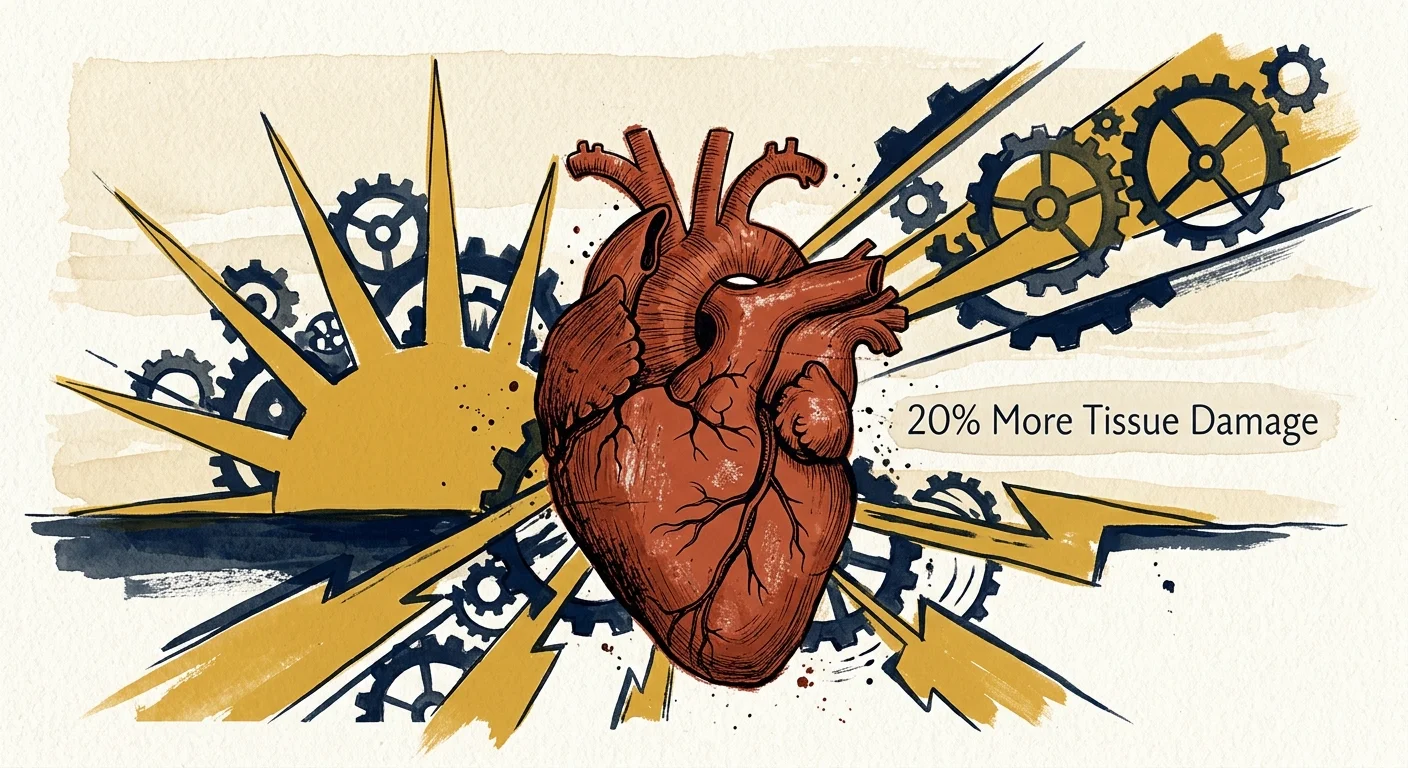
The time of day a heart attack occurs does not just influence your statistical risk; it also affects the severity of the cardiac event. A landmark clinical study published in the British Medical Journal Heart examined patients suffering from ST-segment elevation myocardial infarction (STEMI)—the most severe type of heart attack. The research revealed that heart attacks occurring between 6:00 AM and noon resulted in 20% to 21% more permanent cardiac tissue damage compared to those occurring between 6:00 PM and midnight.
When a coronary artery becomes blocked during the morning hours, your heart muscle suffers greater damage because it is already working under high metabolic demand. The morning hormone surge forces the heart to beat faster and pump harder against elevated blood pressure, consuming oxygen at a rapid rate. If blood flow suddenly stops during this high-demand window, heart tissue deteriorates far more quickly.
Furthermore, this morning circadian window extends beyond myocardial infarctions. Studies track a matching spike in other critical cardiovascular emergencies during these same hours, including a 49% increased risk of stroke and a 29% increased risk of sudden cardiac death. To learn more about managing overall heart conditions, you can review educational resources on MedlinePlus.








Leave a Reply